
How to Play Handpan for Beginners
Never played before? Start here. Listen to three easy melodies, then tap the handpan and try them yourself. No musical experience needed.
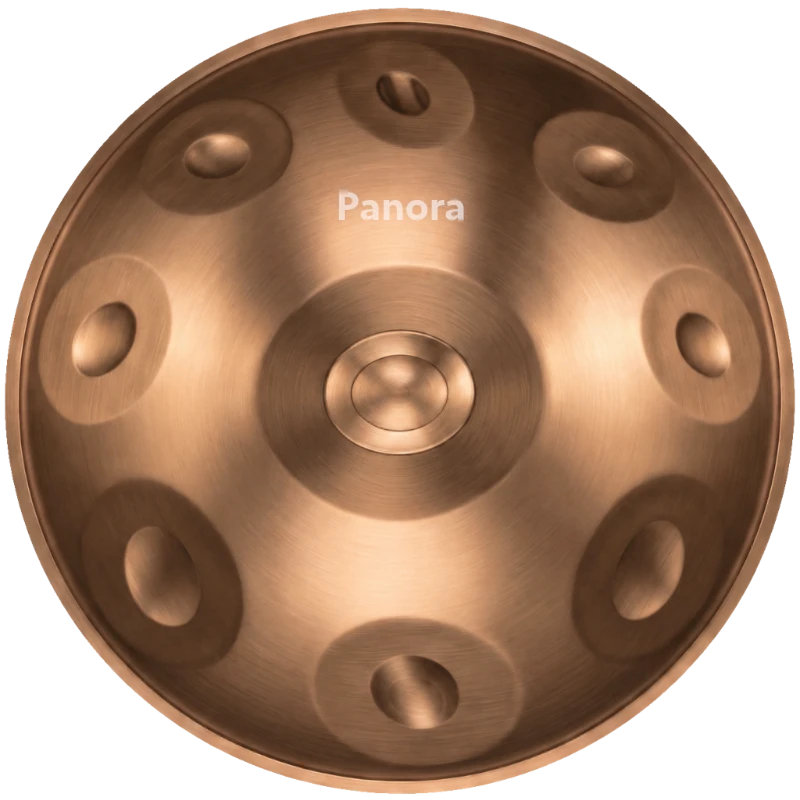
Tap or click any note to play D Kurd 9. Headphones recommended.
LISTEN & PLAY
A melody to try
Press play, watch the notes light up, and follow along at your own pace.
D–A Pulse
D3 · A3 · D3 · A3 · D3 · A3 · D3 · A3
D–B♭ Pulse
D3 · B♭3 · D3 · B♭3 · D3 · B♭3 · D3 · B♭3
D–A / D–B♭ Pulse
D3 · A3 · D3 · A3 · D3 · B♭3 · D3 · B♭3
The centre note is D3. Play each note evenly, then repeat the pattern.
These three D Kurd exercises are adapted from Handpan Plus’s beginner patterns. Start with the D–A pulse, then try D–B♭. The third pattern combines two repetitions of each. Each repeats at a slow, even pace until you press Stop.
Getting started with the handpan
A handpan is a melodic percussion instrument with a beautiful, resonant sound. Each area around the centre plays a different note. You don't need to read music or own an instrument to begin: the virtual handpan above lets you play online with a tap or a click.
Start by tapping the centre, then explore the notes around it one at a time. Let each note ring before playing the next. Notice which combinations you enjoy; there is no need to rush or worry about making mistakes.
How to play your first handpan melody
- Listen first. Choose a melody above and press Play. Watch the notes light up as you listen.
- Find the notes. Use the labels on the handpan. D3 is in the centre; the other notes are around it.
- Play slowly. Tap the notes in the order shown. Take as much time as you need between taps.
- Repeat and make it yours. Try the same notes a little faster or slower, or add a pause where it feels natural.
The note names include numbers because some notes share a letter but sound higher or lower. For example, D3 and D4 are different notes. You can simply match the full label on the screen.
Easy handpan practice for beginners
Try a few minutes at a time. Play a centre note, choose two notes around it, and repeat your little pattern. Leave a pause, listen to the sound fade, then change one note. This is a gentle way to discover rhythm and create your own handpan music.
If you're practising on a physical handpan, rest it securely on your lap or a suitable stand. Use a relaxed hand and a light, bouncing touch with your fingertips; let your fingers lift away instead of pressing into the surface. A virtual instrument is a lovely way to explore melodies, though it feels different from playing steel.
Do you need musical experience to play handpan?
No. Beginners can start by listening and experimenting. A handpan has a limited set of notes that belong to a particular scale, making it approachable for improvisation. The one on this page uses D Kurd, a D minor handpan scale. Explore its notes and sound in our D Kurd handpan guide.
Can you learn handpan online?
Yes. You can use an online handpan to hear notes, practise simple melodies and explore patterns at your own pace. If you later play a physical handpan, a teacher or beginner lesson can also help with touch and technique.
What should I practise first?
Pick one of the three easy handpan melodies above. Listen once, play it slowly, and repeat it until it feels familiar. Then try another melody or change a few notes to make your own. The most useful first step is simply to enjoy playing.